
You’re in Good Company
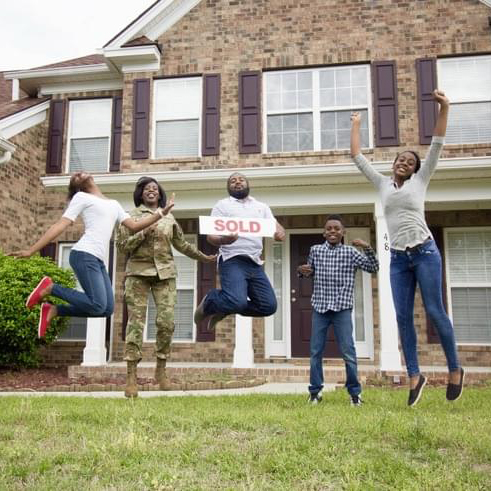
I contacted Veterans United and I can say from day one, I have gotten wonderful support, guidance and input. I'm finally in the HOMEstretch and I can say it was all because of Veterans United.
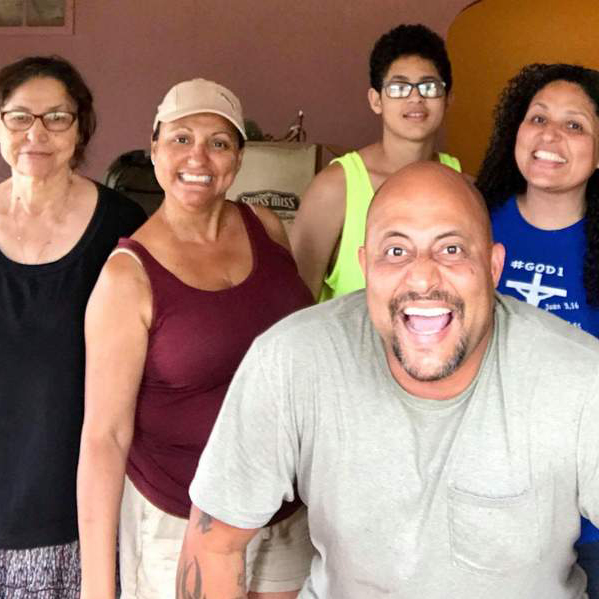
My experience was awesome. They gave me advice on everything and helped me repair my credit. I was able to get preapproved, and the rest is history. I am a single mom, and if I did it, you can, too.
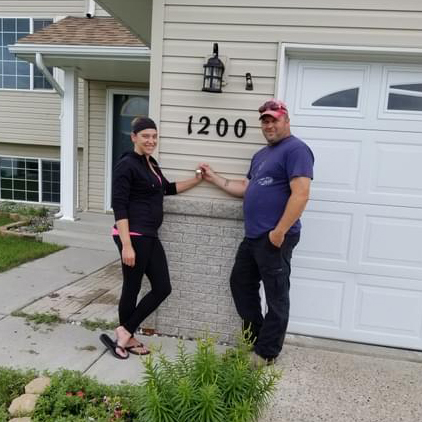
If your credit score isn’t quite up to par like mine, Veterans United will work with you to get your score where it needs to be. They helped me purchase my new house long before I thought possible.
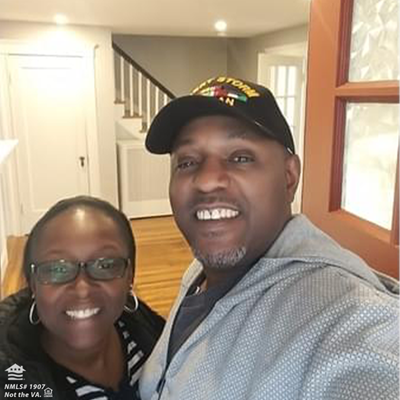
I’d like to thank Veterans United for being honest and making the process easy. Buying a new home can be a headache but your team was a blessing.
Thanks for everything from the Jacobs Family!
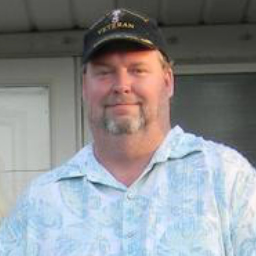
Buying our first (and hopefully last) home never would have been possible without Veterans United.
98.1% of homebuyers would recommend Veterans United to friends or family!
Get Credit-Qualified for a VA Home Loan
Pinpoint ways to improve your mortgage scores with a Veterans United credit expert.
What is a Mortgage Score?
Mortgage credit scores are different than the scores you’ll see from credit monitoring services. We’ll customize a game plan to boost your scores and chart a path for preapproval.
What to Expect
Some common tasks include:
- Opening a secured credit card
- Establishing an on-time payment history
- Maintaining a low balance on a credit card
- Dispute or resolve outstanding collections
- Creating and following a timeline
Some Veterans can be qualified in days. Others can take months. Wherever you’re at in the process, we’ll help you take the next step forward.
Begin HereProgram Perks

No Cost to You
Take advantage of this one-of-a-kind program designed specifically for Veteran and military homebuyers.

Build a Plan, Together
Work one-on-one with a credit specialist to identify and correct errors on your credit report.

Get Real-Time Updates
Up-to-date notifications help you track your progress and reach important milestones.

Military Friendly Service
Improve your credit to get preapproved with the VA home loan lender trusted by 275,000+ Veterans.
No hurdle is too big. Homeownership is within your reach.
Get Started