- VA loans can fund a farm if it includes your primary residence and is not a commercial farm.
- The appraisal must show the residential use value, excluding land, equipment and livestock.
- Only verified farm income, not future earnings, can count toward loan qualification.
Most Veterans and military personnel are aware of the opportunity to use a VA loan to purchase a home with no down payment, competitive interest rates and flexible financial requirements.
However, if you're a Veteran looking for a loan to purchase a farm, you may wonder if you can use your VA loan benefits.
Can You Use a VA Loan for a Farm?
The VA allows eligible individuals to purchase a farm using a VA loan as long as there is a home on the property they’ll be using as their primary residence. You cannot use a VA loan for a farm that is solely intended for commercial purposes.
Lenders can have their own guidelines and restrictions and might not allow buyers to purchase working farms. Be sure to check with your lender beforehand.
VA Loan Farm Residence Guidelines
VA farm loans follow most of the standard financial requirements (such as your debt-to-income ratio) and must meet VA appraisal guidelines.
Here’s a breakdown of each requirement:
Primary Residence Required on Farm Property
The VA loan program is designed to help eligible active military personnel, Veterans and surviving spouses purchase their primary residence. For this reason, VA farm loans require the property to have a primary residence.
The property cannot be primarily used for business or commercial purposes. Some lenders, including Veterans United, do not finance loans for working farms.
Veterans may also be eligible for a VA construction loan to build a farm residence. While this complicates the process slightly, it is another option worth exploring.
VA Appraisal Considerations
The VA appraisal can be a make-or-break component when it comes to purchasing a farm residence.
Farms often have other structures on the property in addition to the primary home. This may include barns, silos, stables and more. The VA doesn't allow loans to cover the nonresidential value of farm land beyond the home site, outbuildings necessary for farm operations, farming equipment or livestock.
VA loans don't have a limit on the number of acres the property can have. However, trying to purchase a large plot of land can be challenging unless there are recent comparable home sales for the appraiser to use.
Lenders might also require the appraisal to indicate that the property's highest and best use is residential. If you’re purchasing land with both residential and farm elements, Veterans United can help determine whether the property’s “highest and best use” meets VA residential standards before you make an offer.
Income Considerations
Like with other forms of self-employment, Veterans who've earned income from farming or ranching operations (and claim it on their taxes) may be able to use that income to help qualify for the new loan.
But trying to use the income you expect to make from the new property can be a different story. The VA allows lenders to use prospective income in cases like this, but not all lenders will do so.
Otherwise, buying a farm residence looks the same as any other in terms of guidelines like debt-to-income ratio, residual income and more. Generally, lenders want to ensure you have a stable and reliable income that's likely to continue.
If you’re unsure whether your current or projected income will qualify, connect with a Veterans United VA loan expert. They can review your full financial picture and help you explore available loan options.
Answer a few questions below to speak with a specialist about what your military service has earned you.
Veterans United and Farm Residences
Veterans United does not make loans to purchase working farms. The VA appraisal must demonstrate that the property's highest and best use is residential in nature.
Veterans may be able to purchase a hobby farm, provided there are no concerns regarding marketability and market value from an appraisal and underwriting perspective. Prospective income generated from the hobby farm can't be counted toward qualifying for the new loan.
VA loans are built for residential homebuying, so when a property includes farmland, we have to look closely at how it will be valued and how it fits typical buyer demand. The more a property functions like a business instead of a home, the harder it can be to support from an underwriting standpoint.

At least one recent comparable home sale is typically required, and more unique properties are reviewed on a case-by-case basis.
How to Get a VA Farm Loan
Getting a VA farm loan follows the same straightforward process as any VA home purchase. While the VA doesn't issue loans directly, it backs qualified lenders who can help you finance a farm property that meets program requirements.
Here are the steps for using a VA loan to buy a farm:
- Confirm your eligibility: Work with an approved VA lender to verify your eligibility and obtain your Certificate of Eligibility (COE), which confirms your military service and entitlement.
- Get preapproved: Secure VA loan preapproval from your lender to understand your budget and strengthen your position as a buyer.
- Find a qualifying property: Search for a farm property that meets VA appraisal standards and the primary occupancy requirement. The home on the property must serve as your primary residence.
- Complete the VA appraisal and close: Once you've found your property, your lender will guide you through the VA appraisal process, underwriting and final steps toward closing. Remember, the key is ensuring the residential portion meets VA standards while the farm acreage provides the agricultural space you need. Veterans United can help streamline this process by quickly obtaining your COE and guiding you through each step toward closing on a qualifying farm residence.
Other Eligible Property Types for VA Loans
If you’re still exploring your options, it’s important to know there are many different types of properties you can purchase using a VA loan. In addition to single-family homes, some popular options include:
- Multi-unit homes
- Condominiums
- Modular and manufactured homes
- New construction
- Barndominiums
- Tiny homes
Just remember that no matter what type of home you're planning to purchase, the VA requires you to use it as your primary residence. There are also specific Minimum Property Requirements that the property must meet.
Explore Your Options
If you've been dreaming of living on a farm, a VA farm residence loan could help make your dreams come true. Whether you’re planning to buy a small hobby farm or a rural home with acreage, Veterans United can help guide you every step of the way.
To learn more about your options, call 855-870-8845 to speak with one of Veteran United's loan specialists today or get started online today.
How We Maintain Content Accuracy
Our mortgage experts continuously track industry trends, regulatory changes, and market conditions to keep our information accurate and relevant. We update our articles whenever new insights or updates become available to help you make informed homebuying and selling decisions.
Current Version
May 14, 2026
Written ByChris Birk
Reviewed ByTara Dometrorch
Article updated with additional information on the VA farm loan process and reviewed by underwriter Tara Dometrorch.

Related Posts
-
 5 Most Common VA Loan Myths BustedVA loan myths confuse and deter many VA loan borrowers. Here we debunk 5 of the most common VA loan myths so that you can borrow with confidence.
 -
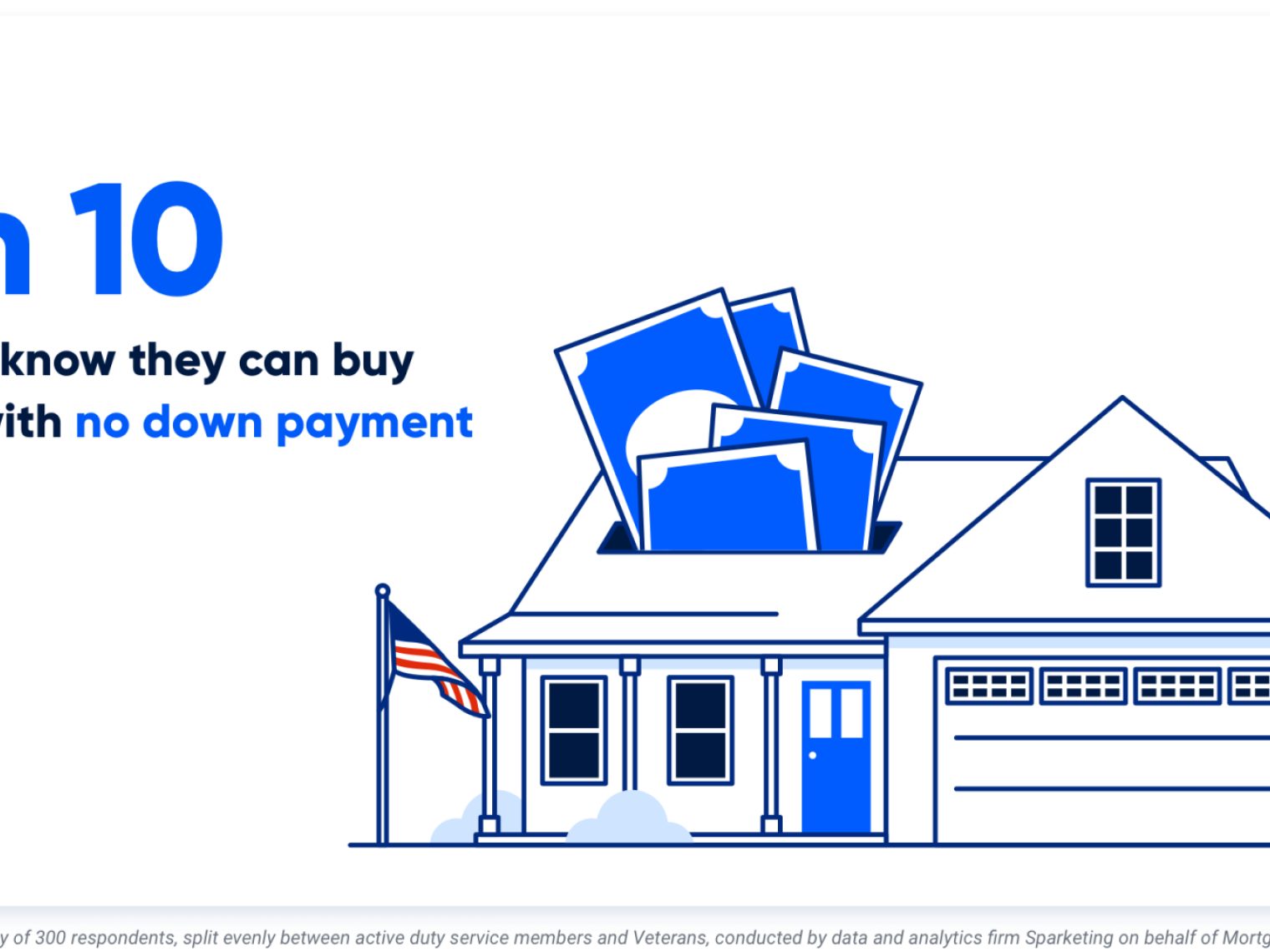 VA Loan Down Payment RequirementsVA loans have no down payment requirements as long as the Veteran has full entitlement, but only 3-in-10 Veterans know they can buy a home loan with zero down payment. Here’s what Veterans need to know about VA loan down payment requirements.